This week with Fascinating Fridays, I wanted to delve into the world of food pairings and the chemical science behind what makes certain flavors meld perfectly and others have such adverse tastes. I remember as a kid also eating the funkiest, off-the-wall combinations that just seemed to work: scooping peanut butter with a cheddar cheese stick, my grandmother’s pepper on cantaloupe, honey on slices of pizza from the local Mellow Mushroom, and more. My father was also a huge proponent of different flavor combinations, always putting dabs of olive oil on vanilla ice cream or making his signature Tuna Steaks and Waffles (which quickly became a mainstay in our household when I was a kid). From the outside, we all might hear these combinations and visibly cringe at the thought of letting them anywhere near our mouths, but once we take that leap of faith, they showcase flavors that aren’t appreciated when trying the singular food components on their own.
We probably all remember back in grade school the diagram of the tongue and the divisions “dedicated” to tasting different flavor profiles of foods. These profiles are sweet, bitter, salty, sour, and umami, which was assigned in the 1980s after researchers debated about whether it could be considered a base flavor profile. Taste was thought to be relegated to these regions of the tongue after a research paper by German scientist David Hänig was published in 1901. The region theory was further entrenched into educational systems after Edwin Boring, in the 1940s, created the graphic that we all were presented in school. This map design was contentious between much of the sciences around the human body, with some doctors going as far as cutting or anesthetizing the nerve that runs to the end of the tongue in an attempt to eliminate the sweet taste bud receptors. These doctors found that not only did patients that had certain regions of the tongue’s sensory nerves cut not lose their sense of tasting sweet foods, but in some patients, it actually was stronger. Further studies into the science of taste showed that our tongues’ taste receptors were able to pick up on the various flavor molecules anywhere on its surface, allowing us to completely taste foods uninhibited by the position in the mouth. Other factors also contribute to what we taste: temperature (where some people may prefer to have their fruit in the fridge or on the counter), texture (preferring to cook vegetables or eat them raw), and visual stimuli (studies have shown that people who drink white wine that has been dyed red would note flavor profiles that are specifically found in red wine).

Researching the chemical makeup of the common food flavors and scents that we enjoy in our daily lives was daunting. In one database alone, over 25,000 molecules were documented and categorized that showed the breakdown of more than 2000 aromas and tastes. Foods themselves are also made up of a combination of these various flavor molecules, with can reach up to 800 or more unique chemicals in foods like coffee beans. What allows for more precise flavor pairing is this specific chemical makeup that different foods have. The more flavor molecules that a particular food has in common with another, theoretically the better those foods will taste when put together. For example, brussels sprouts have 110 molecules in common with broccoli, such as delta-cadinene which produces woody or thyme-like flavors, and epicatechin for more bitter flavors. It makes sense if you think about it; broccoli and brussels sprouts come from the same family of vegetables. But it also shares 104 with mangoes, including 2-(4-Hydroxyphenyl)Ethanol’s floral profile. This means that a mango chutney on roasted brussels sprouts has the potential to be on par in terms of personal agreeability as a skillet of pan-roasted broccoli and brussels sprouts. My father’s Tuna and Waffles? While you may be hesitant to try it, the waffle shares 3 flavor molecules with the tuna, which is the same amount that it shares with maple syrup. Pepper and cantaloupe? 105 flavor molecules. Olive oil and vanilla ice cream? 108.
**Note** – placing flavors together based on their chemical makeup does not mean that the new combination will automatically become a winner. It just offers a good starting point for experiments in food tasting.
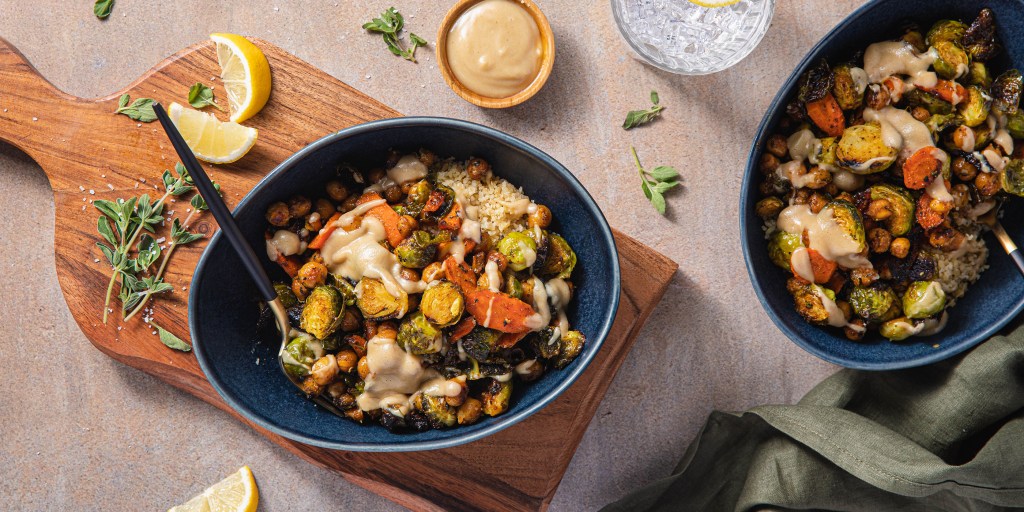
The science behind the combination of different foods based on their chemical components is called flavor-pairing theory, which has created a movement in the cooking community and spawned businesses dedicated to this science. Chefs from different disciplines and cuisines, such as East Asian, North African, and Pan-American cultures, have applied the flavor-pairing lens to their dishes and determined what it was that has made their foods staples in the community. They began to break down their dishes again into the basic flavors that we were taught in school and showed that certain compounds were determining how our brains would interpret the taste. Phenolic compounds were present in higher numbers for foods that testers would say were bitter. Citric, malic, lactic, and tartaric acids put sour tastes in our mouths when we eat fruits or yogurts. Sweet foods were higher in the -ose molecules, such as fructose and lactose. In the 80s, when they designated umami as a basic flavor, they were seeing that foods with increased levels of glutamate were being picked out more to describe that new savory flavor. People, who had been naming their favorite foods as salty or savory, sour or sweet, now were being shown that their preferences were containing higher amounts of the particular molecules and that there was hard scientific data behind the flavors that they were experiencing.
While we could research the chemical compound of our shopping list to determine the best food to pair with our next home-cooked meals, it isn’t feasible, and it also takes the fun out of experimenting with our purchase choices. There are quick, internet-free choices that we can make on the spot when knocking our watermelon or grabbing our milk from the refrigerator to help find a close pairing to experiment with:
- Fatty dishes, such as those with oil-based pasta sauces or avocados, work well with acidic foods, like adding wine to a simmering dish of beans.
- Spicy foods are countered well with starchy or fatty foods (which is why you were always told as a kid to go for milk and not a glass of water).
- Salted caramels work well because salt added to a sweet dish can cut the sweetness that is received by your taste buds. This also works the other way around, as sweet potato casserole demonstrates well.
If you are interested in looking at one of the databases featured in this post, FlavorDB is a fantastic resource. Comprehensive, yet user-friendly, it provides an in-depth look at the multitude of molecules responsible for some of our favorite foods. There is also a Belgian company that started a blog called Foodpairing specifically dedicated to the science of food pairing and has history lessons and recipes intertwined within all of their posts. And one final fact: from extensive research and cross-references, it is scientifically shown that the flavor profiles of pineapple and pizza (specifically the cheese for pizza) do not go together. Personally, I’ll just pretend that I didn’t see that one.
 Karman Kitchen