I have a deep love for food and science, and recently I began exploring the connection between the two. How do salt and sugar preserve foods? What creates a bitter taste when foods like garlic cook too long? So many questions pop into my head when slicing vegetables or sauteing over the stove, and I’m sure that we all have had those nagging questions that linger long after our plates are cleared. When recently testing out making oyster mushrooms into mock scallops, I became mesmerized watching the browning occur along the cut edges of the fungi. “What is making it crisp so uniformly? Why does it form a crust in some areas but merely heat the mushroom in others?” With these questions in the back of my mind, I poured into food science articles and videos of chefs flipping French toast and came to find that the science behind this browning has been studied extensively and practiced for as long as we’ve harvested grain. This is the Maillard reaction.
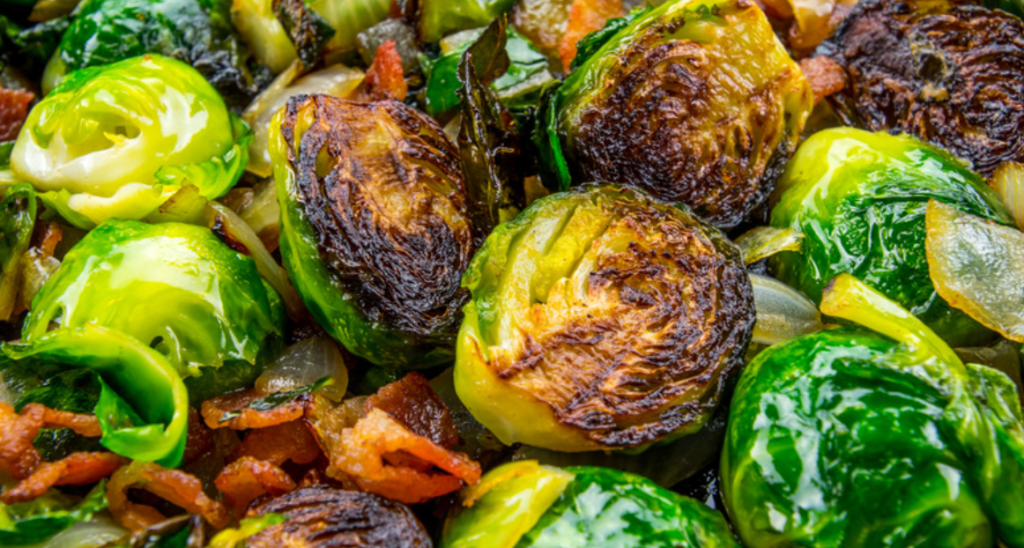
The Maillard reaction is a chemical reaction of the proteins and sugars in a particular food. Unlike caramelization of sugars, or pyrolysis (grilling or toasting of foods where “burnt” portions develop), very specific temperature ranges are needed to begin the rapid process of the Maillard reaction. This range is set between 140 and 160C (280-350F) and is what begins the process that gives us that golden brown, crisp texture on the outsides of our bread and fried foods. The precise science is the carbonyl group (a molecule that contains a carbon and oxygen atom connected via a covalent bond (double-bond)) from the sugar reacts with the amino acids in the food, creating a biochemical compound called glycosylamine and water. Glycosylamine is inherently not stable, so it rearranges itself to become a ketosamine, a more stable molecule that further develops into nitrogenous polymers and melanoidins, the polymers that give food that deep brown color.
The Maillard reaction is not only the reason behind the browning that you see on bread or meats (or even that rich smell of coffee percolating) but also the chemical reaction behind the smells that waft from bakeries and out of your rice cookers. The compound 6-Acetyl-2,3,4,5-tetrahydropyridine is the specific aroma compound that gives bread, tortillas, and other baked items that distinct just-out-the-oven smell. This compound can only be synthesized via the Maillard reaction, which is why mixed/rising dough smells more yeasty and less “fresh-baked”. Almost all of the reactions in the oven that makes bread look and smell so delicious are known to us now due to Louis Camille Maillard, the namesake for the reaction.
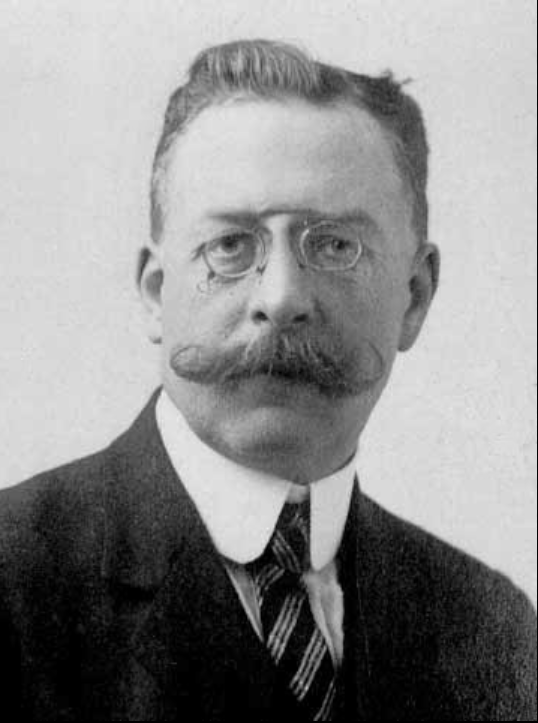
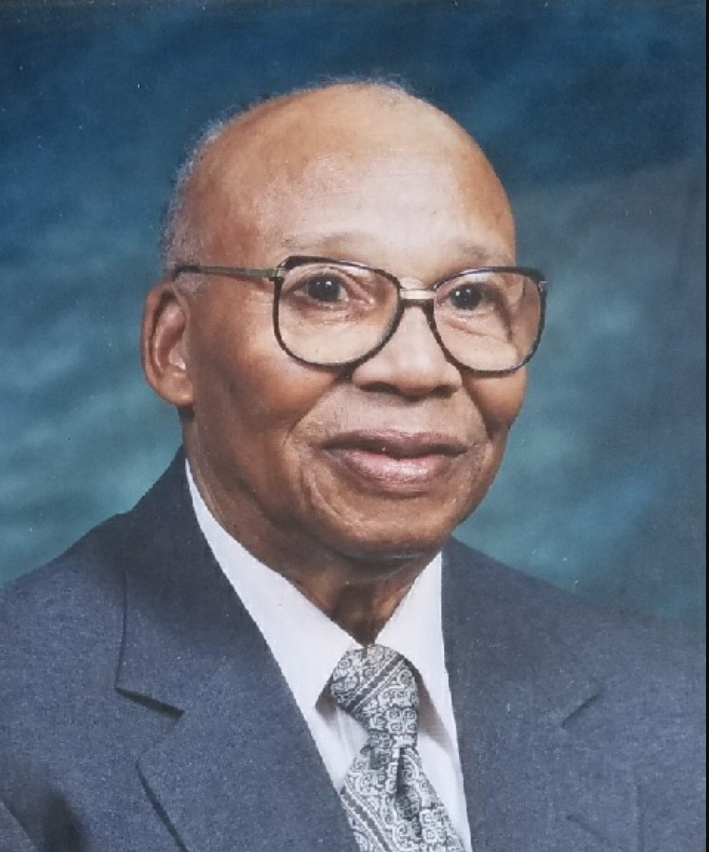
Louis Camille Maillard was a French chemist and physician. He primarily worked in the nephrology field, dealing with various ailments of the kidneys, but took interest in the presentation and reactions of amino acids and sugars, especially in foods. He began laying the groundwork in the 1910s for the cause of browning and flavor profile changes in cooked foods but was not the one who ultimately discovered the mechanisms that are described above. That distinction falls to an African American chemist named John E. Hodge. Hodge worked for the United States Department of Agriculture and in 1953 discovered the way that the sugars react with the amino acids, releasing the glycosylamine that undergoes the Amadori rearrangement to produce the browning compounds.
More scientists have delved into the scientific processes involving the Maillard reaction, and have found that even on molecular levels within our bodies the reaction occurs. Sugars that are floating around our blood after eating start Maillard reactions in the form of inflammation responses particularly centered around the cardiovascular and liver systems. Our bodies have developed defense mechanisms (aside from the inflammation response) to remove the by-products of the Maillard reaction, but are effective only up to 99.7% of the time. Those reactants that slip under the fence can begin to cause more serious damage to our bodies over time (for example, cardiovascular disease).
Ultimately, as I sear another mushroom on the stove, I am happy to know a little more about the process that gives my mushrooms that nice crunch and fills my apartment with the smells of a Parisian bakery during weekend afternoons. Just like Maillard over 100 years ago, cooking continues to fascinate and delight people around the world, just like me in my kitchen. I plan to continue these little scientific forays into food once a week and would love to hear some questions from those that are reading that may have popped up when in your kitchens. Always have fun and try to push your boundaries when working in the kitchen, stepping out of your comfort zone and trying a new cooking method or food from a different part of the world. Let me know your new experiences and I’ll see everyone for the next Fascinating Friday where we’ll talk about flavor profiles and why certain foods match so well with others!
 Karman Kitchen